
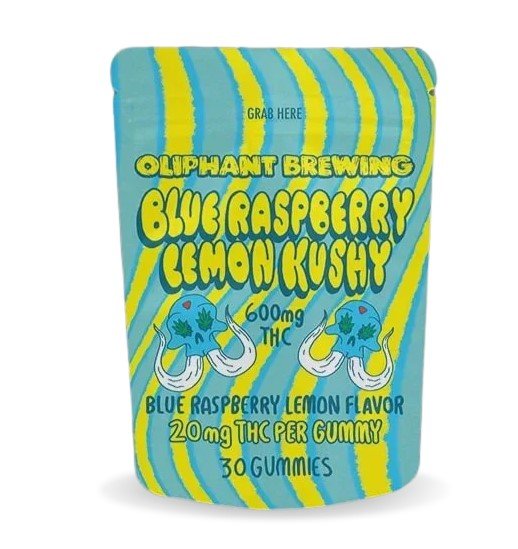

The conversation around cannabis edibles is changing as more people become interested in understanding what they consume rather than simply choosing a product based on appearance or flavor. Anyone searching for information before they buy thc gummies may encounter a wide range of formulations, serving sizes, cannabinoid combinations, and labeling practices. This growing interest has made product education an important part of the modern cannabis conversation.
THC gummies are no longer discussed only as an alternative to other forms of cannabis. They are increasingly part of broader discussions about responsible consumption, ingredient transparency, cannabinoid science, and evolving regulations. For consumers, this shift creates an opportunity to become more informed about how edible products work and what factors deserve attention before making a decision.
Why THC Edibles Are Getting More Attention
Cannabis consumption has become more diverse, with edibles occupying an increasingly visible place in the conversation. Gummies appeal to people who prefer a discreet and straightforward format, while their variety of flavors and formulations has helped make them recognizable within the wider cannabinoid market.
At the same time, consumers are becoming more selective. Instead of focusing only on the presence of THC, many are asking questions about ingredients, product consistency, laboratory testing, labeling, and the relationship between different cannabinoids.
This reflects a broader trend across the wellness and consumer-product industries: people want to know more about what is inside the products they use.
Several factors are contributing to this increased interest:
- Greater consumer education: People have more access to information about cannabinoids and how they interact with the body.
- More product variety: Gummies can contain different cannabinoid profiles and ingredients, making product literacy increasingly important.
- Greater attention to testing: Consumers are paying closer attention to laboratory reports and quality-control information.
- Evolving regulations: Rules surrounding cannabis and hemp-derived products continue to develop, encouraging consumers to understand local requirements.
Understanding What Makes a THC Gummy Different
Not every gummy provides the same experience. The formulation can influence how a product behaves, which is why reading the label is more useful than relying on appearance or general assumptions.
THC is the cannabinoid primarily associated with the intoxicating effects of cannabis. When consumed as an edible, it passes through the digestive system rather than entering the body through inhalation. This distinction is important because the body processes orally consumed cannabinoids differently.
A gummy may also contain cannabinoids such as CBD or other naturally occurring compounds. Some products are formulated around a single cannabinoid, while others use a broader cannabinoid profile.
The ingredients matter as well. Beyond cannabinoids, gummies can contain sweeteners, flavoring agents, pectin or gelatin, oils, and other components. Someone with dietary restrictions or ingredient sensitivities should review the complete ingredient list rather than assuming all gummies are formulated in the same way.
The Rise of Product Transparency
One of the most important developments in the edible market is the growing emphasis on transparency.
Consumers increasingly expect a product label to tell them what they are actually getting. Clear information can make it easier to understand cannabinoid content, serving information, ingredients, and testing details.
Laboratory testing is particularly relevant because it can provide information about cannabinoid concentrations and the presence of certain contaminants. A certificate of analysis, when available from a legitimate source, can offer additional insight into how a product was evaluated.
However, consumers should remember that a laboratory report is only useful when it corresponds to the actual product and comes from an appropriate testing process. A label or laboratory document should not automatically be treated as proof that a product is suitable for every individual.
Transparency is ultimately about giving consumers enough reliable information to make informed choices.
Why Responsible Consumption Matters
Edibles require a different mindset from many other cannabis products. Because they are consumed rather than inhaled, people may not immediately understand how the experience can develop.
This makes patience and awareness particularly important. Taking more simply because an effect is not immediately noticeable can create an unpleasant experience.
Responsible consumption starts with understanding the product and recognizing individual differences. Factors such as body chemistry, previous cannabis exposure, food intake, medications, and personal sensitivity can affect how someone responds.
People should also avoid combining intoxicating cannabis products with alcohol or other substances that may increase impairment. Operating a vehicle or engaging in activities that require full attention while impaired can create serious safety risks.
Keeping cannabis products away from children and pets is equally important. Gummies can resemble ordinary candy, which makes secure storage especially important in households where accidental ingestion is possible.
Packaging and Labeling Are More Important Than They Look
A well-designed package does more than make a product visually appealing. It should help consumers understand what the product contains and how it should be handled.
Important information may include the cannabinoid profile, serving information, ingredient list, manufacturer details, batch information, and applicable warnings.
Clear labeling can also help distinguish between the amount contained in an entire package and the amount associated with an individual serving. Confusing those two figures can lead to unintended consumption.
Packaging should also provide appropriate storage guidance. Exposure to heat, light, or moisture can affect certain edible products, so following the manufacturer’s storage recommendations is worthwhile.
The broader trend toward transparent packaging reflects a simple principle: consumers should not have to guess what they are consuming.
The Importance of Ingredients Beyond THC
The cannabinoid content often receives the most attention, but the rest of the ingredient list deserves consideration too.
Gummies are food products as well as cannabinoid products, meaning their formulation can include a range of ingredients that affect taste, texture, dietary suitability, and shelf stability.
Some consumers may prefer plant-based formulations, while others may need to avoid specific sweeteners, allergens, or animal-derived ingredients. Reading the ingredient list provides a more complete picture than looking only at cannabinoid information.
This is also where responsible brands can distinguish themselves through straightforward communication. Oliphant Brewing, for example, can be viewed within the broader conversation about how established consumer brands approach product identity, formulation, and transparency when entering changing markets.
The key takeaway is that consumers should evaluate the complete product rather than focusing on one ingredient.
Regulations Are Shaping the Cannabis Conversation
Cannabis regulation continues to be an important part of the edible market. Laws can differ substantially between jurisdictions, and rules surrounding marijuana, hemp-derived cannabinoids, THC concentrations, labeling, and retail distribution can change.
This means general information found online may not always reflect the rules that apply in a particular location.
Consumers should pay attention to the laws applicable where they live and where a product is being offered. Legal status does not necessarily tell someone whether a product is appropriate for personal use, and legality can also depend on the specific cannabinoid formulation.
The changing regulatory environment is one reason responsible businesses place greater emphasis on documentation, testing, labeling, and compliance.
For consumers, the lesson is straightforward: treat cannabis products as regulated substances rather than ordinary candy or general wellness products.
THC Gummies and the Broader Cannabinoid Trend
The popularity of gummies is part of a larger movement toward cannabinoid-specific products. Consumers are increasingly learning about how THC, CBD, and other cannabinoids differ rather than treating cannabis as a single category.
This has encouraged more nuanced conversations about formulation and intended experiences. It has also created a need for better education because cannabinoid terminology can sometimes be confusing.
For example, a product containing THC should not automatically be assumed to have the same characteristics as a CBD-focused product. Different cannabinoids can have different effects, and individual responses can vary.
As cannabinoid science develops, consumers may continue seeing more specialized formulations and more detailed product information. This could make the market easier to understand for informed consumers while also making label literacy more important.
Choosing Information Over Hype
Cannabis marketing can sometimes emphasize flavors, packaging, lifestyle imagery, or broad claims. Consumers can make better decisions by separating these promotional elements from meaningful product information.
A thoughtful evaluation should begin with basic questions:
- What cannabinoids are actually present, and how are they identified on the label?
- Does the product provide clear ingredient and serving information?
- Is relevant laboratory testing available from a credible source?
- Does the packaging provide appropriate warnings and storage information?
- Is the product permitted under the laws that apply to the consumer?
These questions are useful because they focus on verifiable information rather than assumptions.
Consumers should also be cautious about products making exaggerated health claims. THC and other cannabinoids should not be treated as universal solutions for medical or emotional concerns without appropriate professional guidance.
A More Informed Future for Edibles
The future of THC gummies is likely to involve more than new flavors and formulations. Education, testing, transparency, and regulatory compliance are becoming central to how consumers evaluate cannabinoid products.
As people become more knowledgeable, the quality of the conversation can improve. Instead of asking only whether a product is popular, consumers can ask whether its ingredients are clearly identified, whether its labeling is understandable, and whether the available information supports confidence in its formulation.
This shift benefits responsible consumers and responsible businesses alike. Clear communication reduces confusion, while accurate labeling helps people understand what they are actually considering.
It also reinforces an important distinction: cannabis edibles should be approached thoughtfully. They are not ordinary confectionery products, and their effects can differ significantly from person to person.
Conclusion
The growing interest in THC gummies reflects a larger change in how consumers approach cannabinoid products. People are becoming more interested in transparency, ingredients, testing, responsible use, and the regulations that shape the market.
For anyone exploring this category, education should come before consumption. Understanding THC, reviewing labels carefully, recognizing individual differences, following applicable laws, and storing products securely are all part of a responsible approach.
As the cannabinoid market continues to evolve, informed consumers will be better positioned to distinguish meaningful product information from marketing noise. If you have questions about product information, formulation, or responsible use, Contact us for guidance based on the information available and the regulations relevant to your situation.